
5 Star Food Hygiene Rating
Understand the Food Hygiene Rating Scheme and learn exactly what inspectors look for — so your business can achieve and maintain a 5 star rating.
Get Expert Help
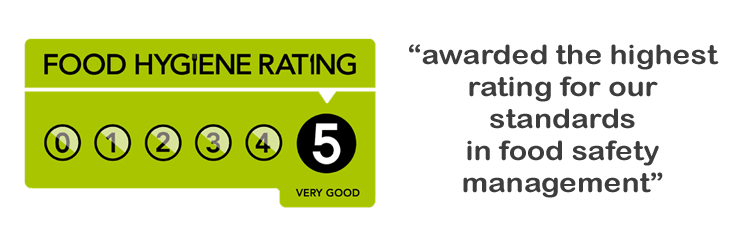
The Rating Scale
Every registered food business is scored on a 0–5 scale after inspection.
Hygiene standards are very good
Hygiene standards are good
Standards are generally satisfactory
Some improvement is necessary
Major improvement is necessary
Urgent improvement is required
Scotland operates a separate Food Hygiene Information Scheme — businesses receive either a Pass or are advised that further improvements are needed.
What Do Inspectors Look For?
Environmental Health Officers assess three key areas during every inspection visit.
🍽️ Food Hygiene Compliance
How food is handled, prepared and stored — including temperature control, cross-contamination prevention and correct use of raw vs ready-to-eat areas.
🏗️ Structural Compliance
The cleanliness and condition of the building and its facilities — surfaces, drainage, ventilation, lighting and pest-proofing.
📋 Management Confidence
Evidence of staff training, written food safety policies, HACCP records, temperature logs and documented cleaning schedules.
Practical Tips to Achieve a 5 Star Rating
Food Storage
- Store raw meats, fish and unwashed vegetables separately from ready-to-eat foods
- Use clearly labelled containers with use-by dates visible
- Always store food on racks — never on the floor
Food Preparation
- Use separate sinks and preparation surfaces for raw and ready-to-eat foods
- In smaller kitchens, schedule prep tasks at separate times and clean thoroughly between each
- Colour-coded chopping boards and utensils reduce cross-contamination risk
Cleaning
- Maintain a written cleaning schedule and stick to it consistently
- Keep handwashing sinks stocked with antibacterial soap and blue roll at all times
- Deep-clean fridges monthly; clean ovens weekly; empty bins regularly
Staff Training & Records
- Ensure all kitchen staff have documented food hygiene training
- Carry out refresher training at least annually
- Maintain daily temperature logs, cleaning records and a HACCP food safety policy
- Gaps in documentation will directly lower your rating
Need Help Achieving Your 5 Star Rating?
Our food hygiene training courses and in-house programmes are designed to get your team inspection-ready.
Food Safety Level 2 In-House Training